
What are the mandatory load requirements for handrails?
Handrails must withstand a 200-pound force in any direction as specified by OSHA, ensuring they won't break or bend when users stumble or grab them for support during emergencies.
What are the OSHA guidelines for handrail graspability?
Round handrails: Diameter must be between 1.25 and 2 inches.
Non-circular handrails: Circumference should not exceed 6.25 inches, to ensure a firm, secure grip.
What are the standard handrail height specifications?
On stairs/ramps: 900-1000mm above the stair pitchline (per NZ Building Code D1/AS1).
For non-housing building landings: Minimum barrier height is 1100mm (per NZ Building Code F4/AS1).
What materials are commonly used for safety handrails?
Durable, rigid materials are recommended, including stainless steel (corrosion-resistant), hardwood (oak/maple for premium finish), aluminum, and reinforced plastic, suited for different usage scenarios.
Do low decks need a building consent for handrail installation?
If the maximum possible fall height even after deck collapse is no more than 1 metre, the construction/alteration work usually does not require a building consent, but it still must comply with the local Building Code.
What are the differences between continuous and segmental handrails?
Continuous handrails: Run the full length of stairs/ramps, offering uninterrupted safety, ideal for high-traffic public buildings.
Segmental handrails: Made of shorter joined pieces, suitable for curved or decorative staircases, balancing functionality and aesthetics.
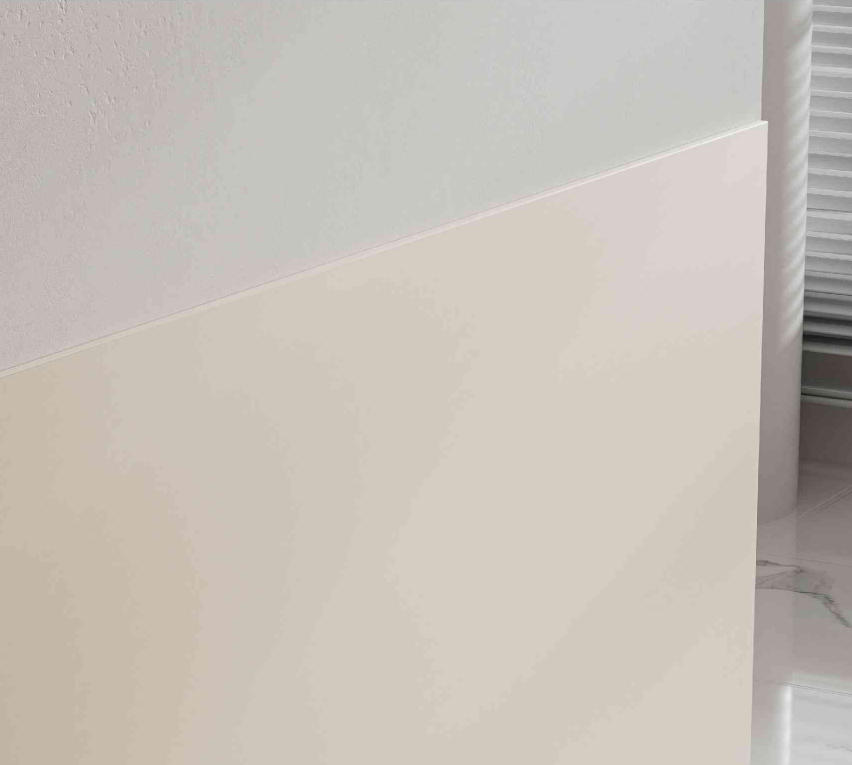
What are the core advantages of wall protection panels compared to traditional materials?
Wall protection panels are highly customizable, lightweight and modular, which effectively reduces ricochet hazards compared to alternatives like concrete, steel, and Kevlar. They are also easy to install and can be adapted to various architectural changes later.
What are the requirements for storing wall protection panels before installation?
The storage temperature should be maintained between 65º–80ºF. It is recommended to acclimate the material in the installation area for at least 48 hours before installation, and the entire roll must reach at least 65ºF before construction.
What is the correct installation process for wall protection panels?
Use suction cups to carry the panel to the wall to avoid adhesive contaminating the panel surface. Start from the corner, mark a plumb line, and set the first panel along the line. After positioning, pull out the slip sheet, apply hand pressure, then roll from the center out to edges with a D-handle laminate roller to remove air bubbles.
How to clean the adhesive residue on the panel surface after installation?
Before the adhesive dries, wipe the residual glue off the panel face using mineral spirits or alcohol, which will not damage the panel finish.